Summer in Fresno is known for long days, abundant sunshine, and extremely high temperatures. While many residents enjoy outdoor activities, community events, sports, and recreational opportunities throughout the season, the Central Valley’s heat can also create serious health risks. Among the most dangerous heat-related conditions is heatstroke, a medical emergency that requires immediate attention.
As temperatures climb into the triple digits, people of all ages can become vulnerable to heat-related illnesses, especially when spending extended periods outdoors or engaging in strenuous physical activity. Understanding how to recognize the warning signs of heatstroke and respond appropriately can help individuals take action during a critical situation.
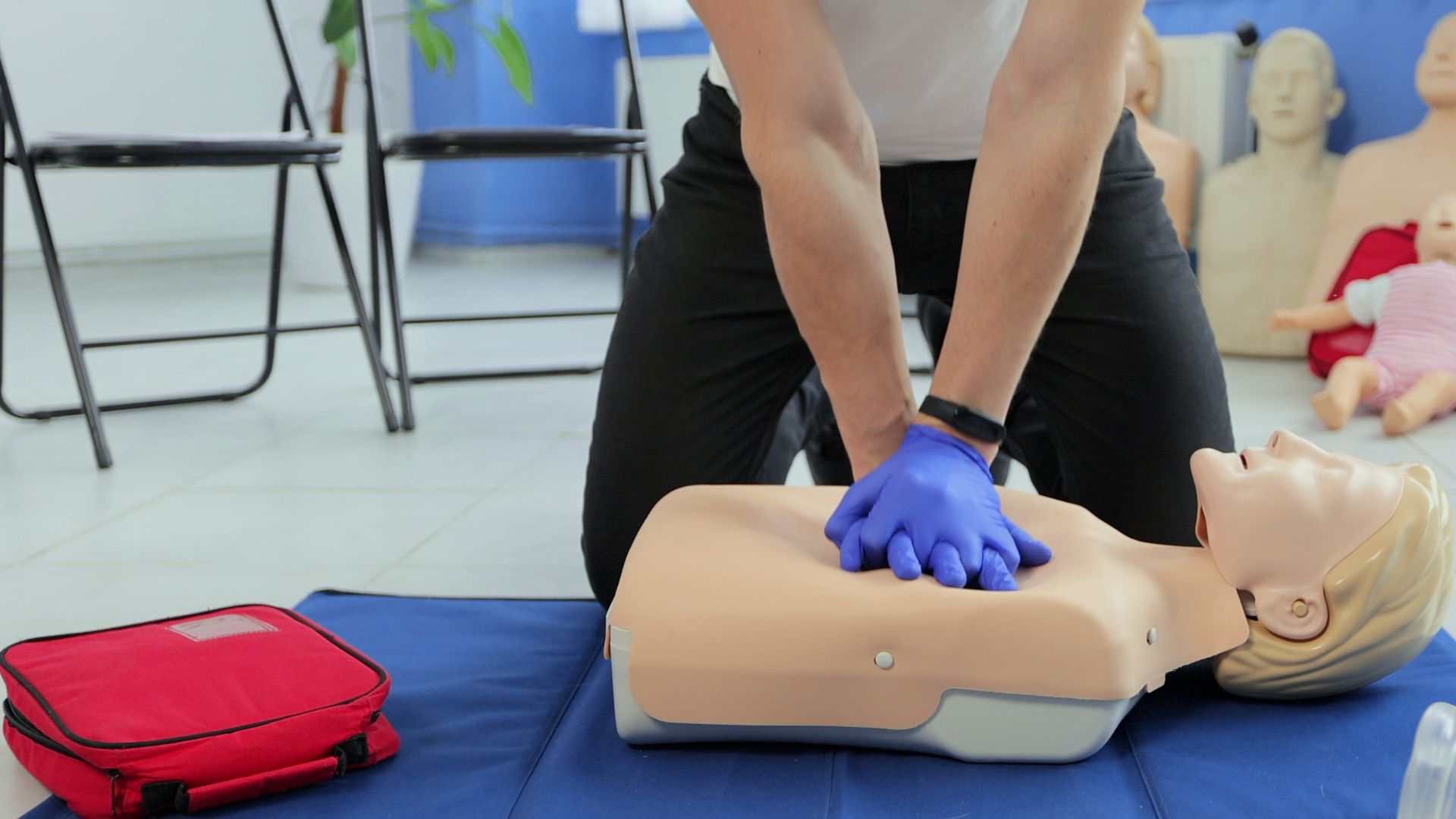
Heat emergencies can develop quickly, often progressing from mild symptoms to a serious medical event in a relatively short period of time. For Fresno residents, outdoor workers, coaches, caregivers, and community members, learning how to respond during these situations is an important part of summer safety. Taking a CPR Certification course can also help individuals gain valuable emergency response knowledge that may prove useful when dealing with serious medical situations, including heat-related emergencies.
Why Heatstroke Is a Serious Concern in Fresno
Fresno regularly experiences some of California’s hottest summer temperatures. Extended heat waves can place significant stress on the body, especially when people are exposed to direct sunlight for prolonged periods.
Unlike minor heat-related discomfort, heatstroke occurs when the body’s ability to regulate temperature becomes overwhelmed. As internal temperatures rise, vital organs may be affected, making heatstroke one of the most dangerous heat-related conditions.
The risk increases during:
- Triple-digit temperature days
- Outdoor sporting events
- Construction and outdoor labor
- Festivals and community gatherings
- Hiking and recreational activities
- Extended exposure to direct sunlight
Understanding the dangers associated with extreme heat helps individuals take preventive measures before a situation becomes an emergency.
Understanding the Difference Between Heat Exhaustion and Heatstroke
Many people confuse heat exhaustion and heatstroke, but they are not the same condition.
Heat exhaustion is generally considered less severe and often develops before heatstroke. Individuals experiencing heat exhaustion may show symptoms such as fatigue, dizziness, excessive sweating, weakness, nausea, or muscle cramps.
Heatstroke is significantly more serious and requires immediate medical attention. It occurs when the body’s cooling mechanisms are no longer able to control internal temperature effectively.
Recognizing the difference between these conditions is important because delayed treatment can increase the severity of a heatstroke emergency.
Common Symptoms of Heatstroke
Heatstroke symptoms can vary from person to person, but there are several warning signs that should never be ignored.
Potential symptoms include:
- Confusion or disorientation
- Slurred speech
- Loss of consciousness
- Seizures
- Rapid heartbeat
- Hot skin
- Difficulty responding to questions
- Unusual behavior
- Severe weakness
- Lack of coordination
Because symptoms may worsen rapidly, immediate action is essential whenever heatstroke is suspected.
Who Is Most at Risk During Fresno Summers?
While anyone can experience heatstroke under the right conditions, certain groups may face a greater risk during periods of extreme heat.
Higher-risk individuals often include:
- Young children
- Older adults
- Outdoor workers
- Athletes
- Individuals with certain medical conditions
- People spending extended time outdoors
- Visitors unfamiliar with Fresno’s climate
Understanding these risk factors can help families, employers, coaches, and caregivers take additional precautions during hot weather.
What to Do If Someone Shows Signs of Heatstroke
Recognizing a potential heatstroke emergency is only the first step. Knowing how to respond is equally important.
If heatstroke is suspected, emergency medical services should be contacted immediately. While waiting for professional responders, efforts should focus on helping cool the individual safely and monitoring their condition.
Important actions may include:
- Moving the person to a shaded or air-conditioned area
- Removing excess clothing when appropriate
- Applying cool cloths to the body
- Encouraging airflow around the individual
- Monitoring responsiveness
- Remaining with the person until help arrives
Prompt action can help reduce additional heat exposure while professional medical assistance is on the way.
Outdoor Activities and Heat Safety
Fresno residents enjoy numerous outdoor activities throughout the summer, from youth sports and community events to hiking, gardening, and recreational exercise.
Planning ahead can help reduce the risk of heat-related emergencies.
Helpful precautions include:
- Drinking water regularly
- Wearing lightweight clothing
- Scheduling activities during cooler hours
- Taking frequent breaks
- Seeking shade when possible
- Monitoring weather forecasts
These simple steps can contribute significantly to overall heat safety.
Heatstroke Risks for Athletes and Youth Sports Participants
Athletes often face increased heat exposure because physical activity raises body temperature even before environmental conditions are considered.
Youth sports practices, summer camps, tournaments, and recreational leagues may all occur during periods of elevated temperatures.
Coaches, parents, and event organizers should remain alert for signs of heat-related illness and encourage hydration throughout activities.
Creating opportunities for rest and recovery can help reduce the likelihood of heat emergencies during athletic events.
Why Outdoor Workers Need Heat Awareness
Construction crews, landscapers, utility workers, agricultural employees, and many other professionals spend substantial time outdoors during Fresno’s hottest months.
Employers often implement heat safety programs to help protect workers from heat-related illnesses. These programs may include hydration reminders, scheduled rest breaks, shade access, and employee education.
Workers who understand the warning signs of heat-related illness are often better prepared to seek assistance before symptoms become severe.
The Importance of Emergency Preparedness During Heat Waves
Extreme heat events can affect entire communities. During prolonged heat waves, emergency preparedness becomes especially important for families, businesses, schools, and organizations.
Preparedness strategies may include:
- Identifying cooling locations
- Monitoring vulnerable family members
- Reviewing emergency contacts
- Maintaining hydration supplies
- Following local weather advisories
Planning ahead helps individuals respond more effectively if heat-related emergencies occur.
How CPR and First Aid Training Support Emergency Response
Heatstroke is only one type of emergency that individuals may encounter during the summer months. Cardiac emergencies, injuries, allergic reactions, and other medical situations can also occur unexpectedly.
Emergency response training helps participants develop skills related to recognizing serious conditions, assessing situations, and responding appropriately while waiting for professional medical assistance.
Many individuals choose to pursue CPR and first aid education as part of a broader commitment to personal preparedness and community safety.
Training can help increase confidence and provide valuable knowledge that may be useful in a variety of emergency situations.
Staying Safe During Fresno’s Hottest Months
Fresno’s summer temperatures create conditions where heat-related illnesses can develop quickly, especially during outdoor activities and extended sun exposure. Understanding the warning signs of heatstroke, taking preventive measures, and knowing how to respond during an emergency can help reduce risks for individuals, families, and communities. Whether you’re spending time outdoors for work, recreation, or sports, preparation remains one of the best tools for staying safe. Enrolling in a CPR Certification class can also help strengthen emergency preparedness skills and provide valuable knowledge for responding to serious situations when immediate action is needed.
Frequently Asked Questions About Heatstroke and Summer Safety in Fresno
What is the difference between heat exhaustion and heatstroke?
Heat exhaustion is generally less severe and may involve symptoms such as fatigue, dizziness, and excessive sweating. Heatstroke is a medical emergency that can include confusion, loss of consciousness, seizures, and dangerously elevated body temperatures.
When should I call 911 for a heat-related emergency?
Emergency services should be contacted immediately if someone shows signs of heatstroke, becomes unresponsive, experiences seizures, or displays severe confusion and disorientation.
Who is most vulnerable to heatstroke?
Young children, older adults, outdoor workers, athletes, and individuals with certain health conditions may face a greater risk during periods of extreme heat.
How can I reduce my risk of heat-related illness?
Staying hydrated, wearing lightweight clothing, taking breaks in shaded areas, and avoiding prolonged exposure during the hottest parts of the day can help reduce risk.
Can heatstroke happen even if someone is physically fit?
Yes. Physical fitness does not eliminate the risk of heatstroke. High temperatures, dehydration, and prolonged exertion can affect anyone under certain conditions.
Why is emergency preparedness important during Fresno summers?
Extreme heat can increase the likelihood of medical emergencies. Being prepared helps individuals recognize symptoms early and respond appropriately when serious situations occur.