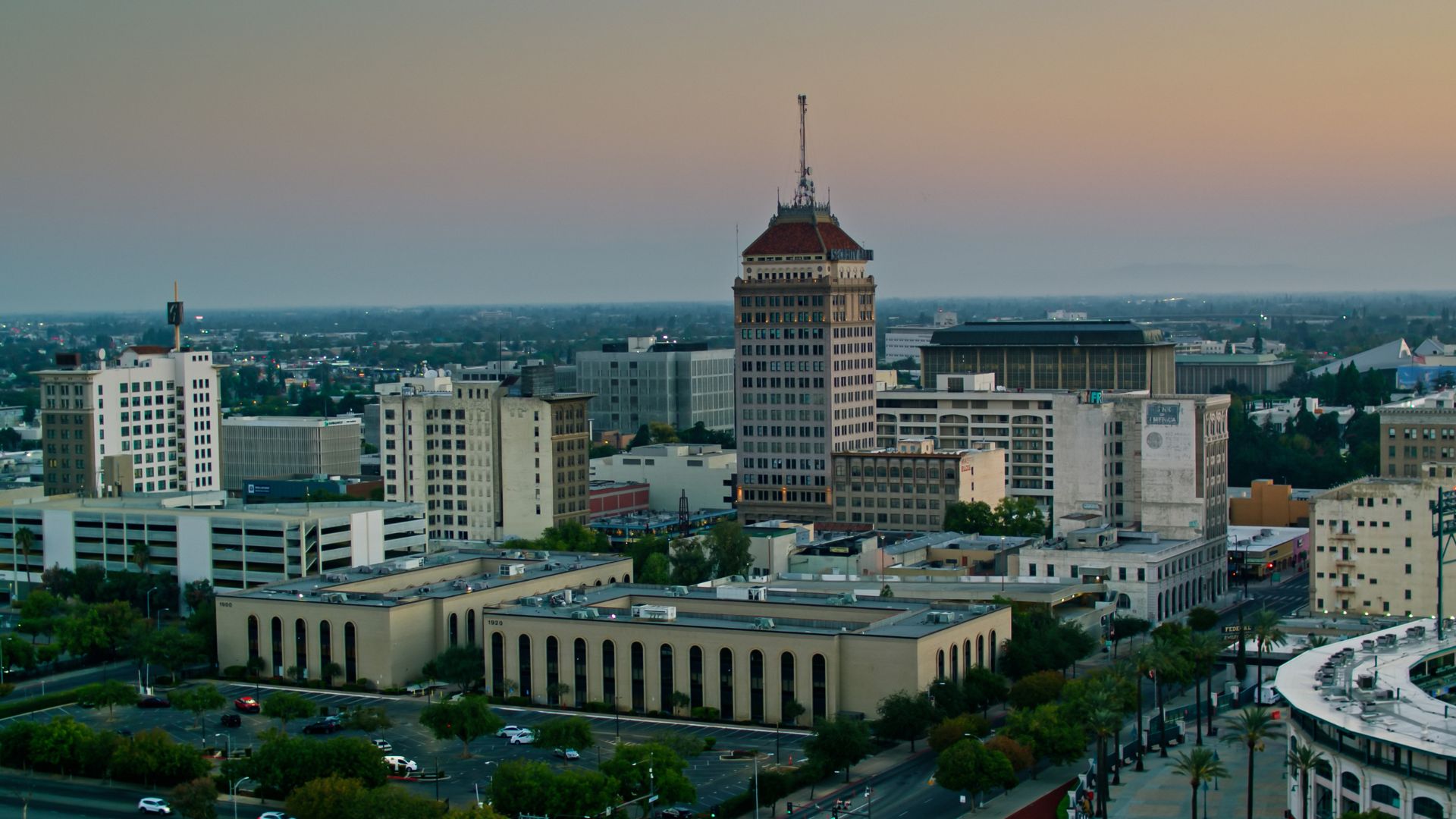
Fresno is known for its agricultural heritage, beautiful Central Valley landscapes, and growing communities, but residents also face a challenge that many parts of the country do not experience to the same degree: poor air quality. Seasonal wildfire smoke, agricultural dust, pollen, and ozone pollution can all contribute to respiratory problems that affect people of every age. For individuals with asthma, chronic obstructive pulmonary disease (COPD), allergies, or other underlying conditions, poor air quality can sometimes trigger life-threatening emergencies.
When someone suddenly struggles to breathe, every second matters. Family members, coworkers, teachers, and bystanders are often the first people available to provide assistance before emergency medical services arrive. Learning CPR and First Aid through CPR Certification gives Fresno residents the confidence and practical skills needed to recognize respiratory distress, provide immediate care, and respond effectively during emergencies.
Being prepared does not just benefit the individual receiving help. It strengthens the safety and resilience of the entire community.
Why Air Quality Is a Major Concern in Fresno
Fresno regularly experiences periods of reduced air quality due to a combination of environmental and geographic factors.
Common contributors include:
- Wildfire smoke
- Vehicle emissions
- Agricultural operations
- Dust particles
- Seasonal pollen
- Ozone pollution
- Temperature inversions
The Central Valley’s geography can trap pollutants close to the ground, allowing them to build up during certain weather conditions.
Poor air quality can affect healthy individuals, but it poses an even greater risk for people with existing respiratory or cardiovascular conditions.
Respiratory Emergencies Can Develop Quickly
Breathing problems often begin with mild symptoms before rapidly becoming more serious.
Warning signs may include:
- Shortness of breath
- Wheezing
- Persistent coughing
- Chest tightness
- Rapid breathing
- Difficulty speaking
- Blue or gray lips and fingertips
- Confusion
- Loss of consciousness
Recognizing these symptoms early allows bystanders to activate emergency medical services and provide assistance before the situation worsens.
Training through CPR Certification helps individuals learn how to identify respiratory distress and respond appropriately.
Asthma Attacks Are Common Medical Emergencies
Asthma affects millions of Americans, including many children and adults living in the Fresno area.
Poor air quality can trigger asthma symptoms, especially during periods of elevated smoke or pollution.
Common asthma triggers include:
- Smoke
- Dust
- Pollen
- Exercise
- Respiratory infections
- Strong odors
- Cold air
A severe asthma attack can limit airflow to the lungs and create a life-threatening emergency.
First Aid training helps people recognize the signs of a serious asthma attack and understand when immediate medical care is necessary.
Wildfire Smoke Creates Additional Risks
California wildfire seasons have become increasingly severe, often affecting air quality across the Central Valley.
Wildfire smoke contains tiny particles that can irritate the lungs and worsen existing health conditions.
Smoke exposure may contribute to:
- Asthma attacks
- COPD flare-ups
- Bronchitis
- Difficulty breathing
- Chest discomfort
- Reduced oxygen intake
Young children, older adults, and people with chronic lung disease may be especially vulnerable.
During heavy smoke conditions, residents should monitor air quality reports and limit outdoor activity whenever possible.
Allergic Reactions Can Affect Breathing
Seasonal allergies are common throughout Fresno due to abundant vegetation and agricultural activity.
While many allergic reactions are mild, some can become severe enough to affect the airway.
Symptoms of a serious allergic reaction may include:
- Swelling of the face or throat
- Difficulty breathing
- Wheezing
- Hives
- Dizziness
- Loss of consciousness
Anaphylaxis is a medical emergency that requires immediate action.
CPR and First Aid training helps individuals recognize severe allergic reactions and understand the importance of rapid emergency response.
COPD and Chronic Lung Conditions Increase Emergency Risks
Many Fresno residents live with chronic respiratory conditions such as COPD or emphysema.
Poor air quality can make breathing even more difficult for these individuals.
Respiratory distress may occur due to:
- Smoke exposure
- Air pollution
- Respiratory infections
- Physical exertion
- Heat
Family members and caregivers who understand basic emergency response techniques are often better prepared to assist loved ones during breathing emergencies.
Why CPR Matters During Respiratory Emergencies
Not every breathing emergency leads to cardiac arrest, but severe oxygen deprivation can eventually cause the heart to stop functioning normally.
CPR becomes necessary if a victim:
- Becomes unresponsive
- Stops breathing normally
- Has no detectable pulse
Immediate CPR helps circulate oxygenated blood to the brain and vital organs until professional medical help arrives.
The American Heart Association continues to emphasize the importance of rapid bystander CPR in improving survival outcomes following cardiac arrest. American Heart Association
Rescue Breathing Is an Important Skill
Respiratory emergencies often involve problems with oxygen delivery rather than primary heart issues.
CPR training includes instruction on:
- Airway assessment
- Rescue breathing
- Recognizing abnormal breathing
- Coordinating rescue breaths with compressions
These skills may become especially valuable during emergencies involving drowning, choking, severe asthma attacks, or respiratory collapse.
Hands-on practice through CPR Certification helps participants develop confidence in these life-saving techniques.
Choking Emergencies Affect Both Children and Adults
Airway obstruction can occur suddenly and without warning.
Common choking hazards include:
- Food
- Small toys
- Hard candy
- Household objects
Children are especially vulnerable because they naturally place objects in their mouths.
CPR and First Aid courses teach participants how to:
- Recognize choking signs
- Perform abdominal thrusts
- Assist infants with choking emergencies
- Know when to begin CPR
Quick intervention can restore airflow and prevent a choking incident from becoming fatal.
Schools and Childcare Centers Benefit From CPR Training
Many children in Fresno live with asthma or severe allergies.
Teachers, coaches, and childcare providers who understand CPR and First Aid are often better prepared to respond during emergencies involving:
- Asthma attacks
- Allergic reactions
- Choking incidents
- Sudden medical emergencies
Prepared staff members help create safer learning environments for students and provide reassurance for parents.
Outdoor Workers Face Increased Exposure
Agriculture, construction, landscaping, and other outdoor industries play a major role in Fresno’s economy.
Workers in these fields may spend long hours exposed to:
- Dust
- Pollen
- Smoke
- Heat
- Air pollution
Respiratory problems can develop unexpectedly, especially during periods of poor air quality.
Employers who encourage CPR and First Aid training help create safer workplaces and better emergency preparedness.
Families Benefit From Emergency Preparedness
Many respiratory emergencies happen at home.
Family members may be the first people present when a loved one experiences:
- An asthma attack
- Severe allergic reaction
- Choking emergency
- Cardiac arrest
- Breathing difficulty
Learning CPR helps families prepare for unexpected situations and provides confidence during stressful moments.
A few hours of training can equip individuals with skills that may one day save the life of someone they love.
Air Quality Alerts Should Be Taken Seriously
Residents should pay attention to local air quality reports, especially during wildfire season.
During poor air quality days:
- Limit outdoor activity.
- Keep windows closed.
- Use air filtration when possible.
- Avoid strenuous exercise outdoors.
- Follow medical advice for existing respiratory conditions.
Preparation and prevention can help reduce the likelihood of emergency situations.
Hands-On Training Builds Confidence
One of the biggest benefits of practical CPR education is confidence.
Hands-on instruction allows participants to practice:
- Chest compressions
- Rescue breathing
- AED operation
- Choking response
- Emergency assessment
This practical experience helps reduce hesitation during real emergencies.
Students who complete training through CPR Certification often report feeling much more prepared to respond when someone needs immediate help.
CPR and AED Training Work Together
Automated External Defibrillators are becoming increasingly common in schools, businesses, and public spaces.
AEDs can help restore a normal heart rhythm during certain types of cardiac arrest.
Hands-on CPR classes teach participants how to:
- Operate an AED
- Position electrode pads
- Follow voice prompts
- Safely coordinate CPR with defibrillation
Quick CPR combined with early AED use provides the best opportunity for survival during many cardiac emergencies.
Community Preparedness Saves Lives
When more people know CPR and First Aid, entire communities benefit.
Trained bystanders can provide assistance at:
- Schools
- Sporting events
- Workplaces
- Community gatherings
- Homes
- Public spaces
A stronger network of trained citizens means help is more likely to be available before professional responders arrive.
As Fresno continues to grow, widespread CPR education helps build a safer and more prepared community.
Final Thoughts About CPR & First Aid in Fresno
Fresno’s unique air quality challenges create real risks for respiratory emergencies involving asthma, allergies, chronic lung disease, choking incidents, and sudden cardiac arrest. While prevention remains important, knowing how to respond when an emergency occurs can make a tremendous difference.
Learning practical emergency response skills through CPR Certification helps Fresno residents recognize breathing emergencies, provide First Aid, perform CPR, and use an AED when necessary. Whether helping a family member, coworker, neighbor, or complete stranger, these skills provide the confidence to act quickly when every second matters.
A healthier, safer community starts with individuals who are prepared to help.
Frequently Asked Questions
Why is Fresno’s air quality a health concern?
Wildfire smoke, agricultural activity, dust, pollen, and ozone pollution can all contribute to respiratory problems and breathing emergencies.
Can poor air quality trigger asthma attacks?
Yes. Smoke, pollution, and airborne particles are common asthma triggers that can cause severe breathing difficulties.
Why is CPR important during respiratory emergencies?
If severe oxygen deprivation leads to cardiac arrest, CPR helps maintain blood flow and oxygen delivery until EMS arrives.
What are the warning signs of respiratory distress?
Common signs include wheezing, shortness of breath, chest tightness, rapid breathing, blue lips, and difficulty speaking.
Does CPR training include choking emergencies?
Yes. Most CPR courses teach participants how to recognize and respond to choking incidents involving both adults and infants.
What is an AED?
An Automated External Defibrillator is a portable device that analyzes heart rhythms and can deliver a life-saving shock during certain cardiac emergencies.
Who should consider CPR and First Aid training?
Parents, teachers, coaches, caregivers, healthcare workers, outdoor employees, and anyone interested in helping during emergencies can benefit from training.
Can hands-on CPR training improve confidence?
Yes. Practical instruction allows participants to practice skills repeatedly, helping them feel more comfortable responding during real-life emergencies.