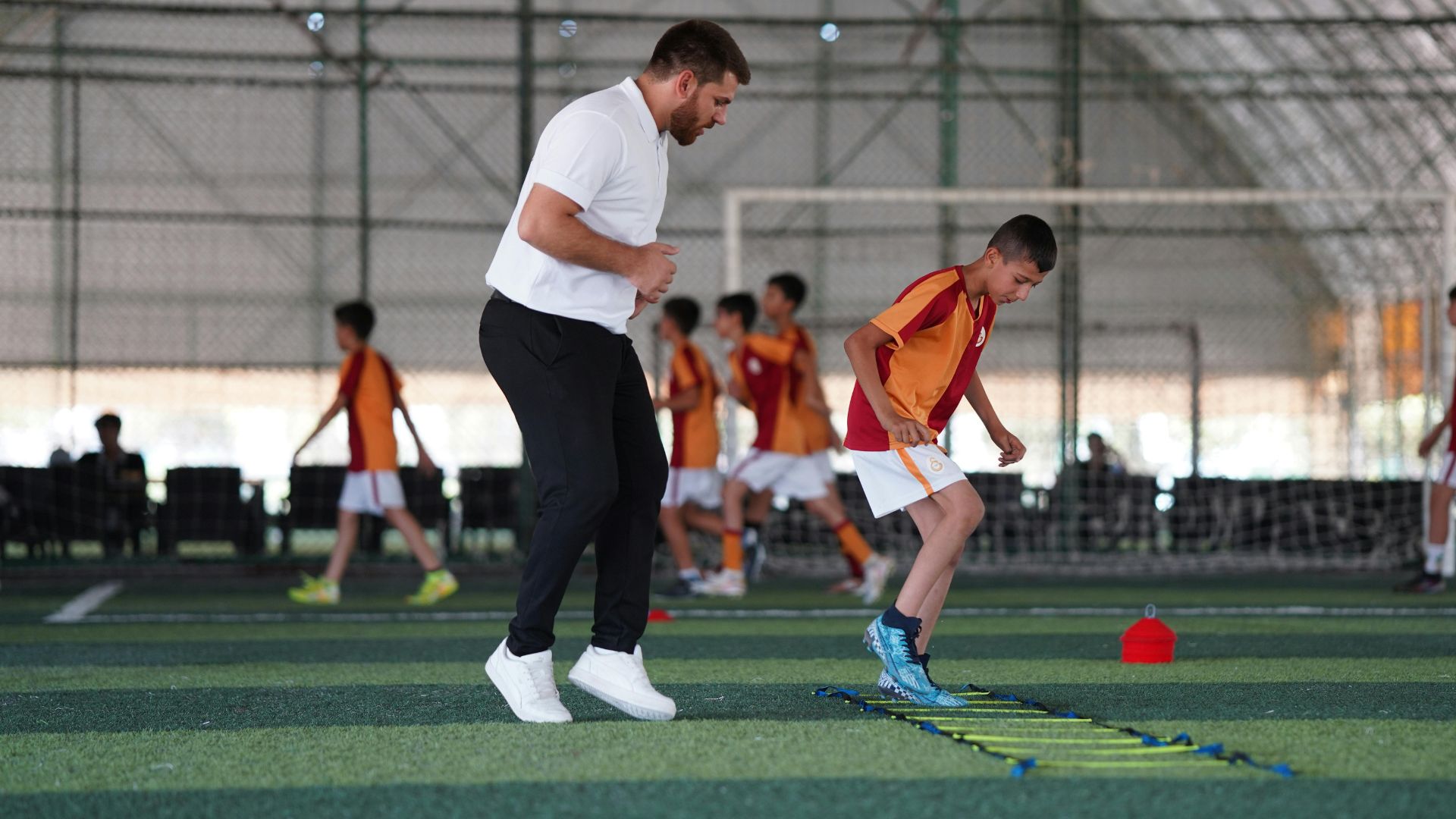
Youth sports provide children with opportunities to stay active, build confidence, and develop teamwork skills. From soccer and baseball to basketball and football, Fresno’s parks, schools, and athletic facilities host thousands of young athletes throughout the year. While coaches focus on teaching skills and encouraging player development, they also play an important role in athlete safety.
Medical emergencies can happen without warning during practices, games, conditioning drills, or tournaments. When they do, coaches are often the first adults on the scene. CPR Certification & preparedness helps youth sports coaches respond quickly and effectively until professional medical help arrives.
Why CPR Training Matters in Youth Sports
Most youth sports activities are safe, but accidents and medical emergencies can still occur. Athletes may experience sudden cardiac arrest, breathing emergencies, heat-related illnesses, allergic reactions, choking incidents, or injuries that require immediate attention.
In these situations, every second matters. A coach who understands CPR and basic emergency response procedures can provide immediate assistance while emergency medical services are on the way.
Having CPR-trained coaches on the field, court, or sideline helps create a safer environment for players, parents, and spectators alike.
Understanding Sudden Cardiac Arrest in Young Athletes
Although rare, sudden cardiac arrest can occur in young athletes. This life-threatening emergency happens when the heart suddenly stops beating effectively, preventing blood from reaching the brain and other vital organs.
Without immediate CPR and the use of an Automated External Defibrillator (AED), survival rates decrease rapidly with each passing minute. Coaches who know how to recognize the signs of sudden cardiac arrest and begin CPR immediately can play a critical role in the chain of survival.
Warning signs may include:
- Sudden collapse during activity
- Loss of consciousness
- No normal breathing
- No detectable pulse
- Unresponsiveness
Knowing how to react quickly can make a significant difference during these emergencies.
Heat-Related Emergencies Are Common in Fresno
Fresno’s hot summers can create challenging conditions for outdoor sports. Youth athletes participating in practices, camps, and tournaments may be at risk for heat exhaustion or heatstroke, particularly during periods of extreme temperatures.
Coaches should be familiar with the signs of heat-related illness and know when emergency medical intervention is necessary. While CPR is not the primary treatment for heat exhaustion, emergency response training helps coaches recognize serious situations and take appropriate action quickly.
Preparedness includes monitoring weather conditions, encouraging hydration, scheduling rest breaks, and having an emergency action plan in place.
Coaches Often Serve as First Responders
When an emergency occurs during a sporting event, coaches are typically among the first adults to assess the situation. Emergency responders may take several minutes to arrive, especially during large events or activities held in outdoor locations.
During those critical moments, coaches may need to:
- Recognize a medical emergency
- Call 911 or direct someone to do so
- Begin CPR if necessary
- Use an AED if available
- Provide basic first aid
- Help manage the scene until EMS arrives
CPR training helps coaches remain calm and confident when facing high-pressure situations.
Creating an Emergency Action Plan for Sports Teams
CPR certification is one part of a comprehensive safety strategy. Every youth sports organization should have an emergency action plan that outlines how medical emergencies will be handled.
Important elements of an emergency action plan include:
- Emergency contact information for all athletes
- Clear access points for emergency responders
- Knowledge of AED locations
- Designated responsibilities for coaches and staff
- Communication procedures during emergencies
- Protocols for severe weather and extreme heat
Reviewing emergency procedures before each season can help coaches and volunteers respond more effectively when unexpected situations arise.
The Importance of AED Awareness
Many schools, athletic facilities, and community sports complexes throughout Fresno have AEDs available on-site. However, having an AED is only beneficial if coaches know where it is located and how to use it.
Modern AEDs are designed to provide clear voice prompts that guide users through the process. CPR courses often include AED familiarization, helping coaches become more comfortable using this life-saving device during an emergency.
Combining CPR with rapid AED use provides the best chance of survival during sudden cardiac arrest events.
Building Confidence Through Training
Many coaches worry about how they would react during a real emergency. CPR training helps reduce uncertainty by providing hands-on practice and emergency response education.
Participants learn how to assess situations, provide chest compressions, assist individuals experiencing breathing emergencies, and coordinate emergency response efforts. This knowledge can help coaches feel more prepared and confident when overseeing athletes.
Parents often appreciate knowing their child’s coach has received CPR training, adding another layer of trust and reassurance within the sports community.
CPR Certification Supports a Safer Sports Environment
Youth sports are about helping children learn, grow, and stay active. Safety should always remain a top priority. CPR preparedness allows Fresno youth sports coaches to be better equipped for unexpected emergencies and provides valuable skills that can be used both on and off the field.
Whether coaching soccer, baseball, basketball, football, volleyball, or another youth sport, CPR certification demonstrates a commitment to athlete safety and emergency preparedness.
Final Thoughts About CPR Certification For Sports Coaches
Medical emergencies are unpredictable, but preparation can make all the difference. CPR-trained coaches are better positioned to respond during critical situations while waiting for professional medical assistance to arrive.
For Fresno youth sports coaches, CPR certification is more than just a credential. It is an investment in player safety, community responsibility, and the confidence needed to act when every second counts.
Frequently Asked Questions
Do youth sports coaches need CPR certification?
Requirements vary by organization and league, but many youth sports programs strongly encourage or require coaches to maintain current CPR certification.
Can CPR really help during a sports emergency?
Yes. CPR can help maintain blood circulation during cardiac emergencies and may significantly improve survival chances until professional medical personnel arrive.
Should coaches learn how to use an AED?
Absolutely. CPR and AED use work together during sudden cardiac arrest emergencies and are valuable skills for anyone responsible for athlete safety.
How often should CPR certification be renewed?
Most CPR certifications are valid for two years, though coaches should verify renewal requirements with their certifying organization.
What other emergency response skills should coaches learn?
Many coaches benefit from First Aid and AED training in addition to CPR, helping them respond to a wider range of injuries and medical emergencies.