Many parents think infant CPR is only necessary for choking emergencies. While choking is one of the most common risks, it is far from the only situation where CPR can save a baby’s life. In reality, most infant emergencies involve breathing problems, not just blocked airways.
For families in Fresno, understanding when CPR is needed can make all the difference. Enrolling in an in-person CPR Certification course ensures you are prepared for real-life situations, not just the most obvious ones.
Why Infant CPR Goes Beyond Choking
Choking is often the first scenario parents prepare for, but medical research shows that infants usually require CPR because of breathing failure rather than sudden cardiac issues.
This means CPR is needed anytime a baby:
- Stops breathing
- Is unresponsive
- Has only gasping or irregular breathing
In these moments, CPR helps maintain oxygen flow to the brain and vital organs until emergency help arrives.
The Reality of Infant Emergencies
Infant emergencies are unpredictable and often happen at home, not in public or under medical supervision. Because infants cannot communicate distress, situations can escalate quickly.
Across the United States, thousands of children experience cardiac or respiratory emergencies each year, with infants making up a large portion of those cases.
What makes this more serious is that outcomes are often poor without immediate intervention. Survival rates for infant cardiac arrest outside of a hospital can be as low as 6–10 percent.
That is why early action from a parent or caregiver is critical.
Common Situations Where Infant CPR May Be Needed
While choking is important to understand, there are many other real-life situations where CPR becomes necessary.
Breathing Emergencies
Infants are especially vulnerable to breathing issues, which are the leading cause of CPR situations in babies.
These can include:
- Severe illness or infection
- Airway obstruction not related to choking
- Allergic reactions
- Sleep-related breathing problems
Because infants rely heavily on proper breathing, even a short interruption can become life-threatening.
Accidental Suffocation or Airway Blockage
Situations like unsafe sleep positions, soft bedding, or accidental obstruction can lead to breathing issues.
These emergencies can happen quietly and quickly, which makes awareness and preparation essential.
Water-Related Incidents
Even small amounts of water can pose a risk to infants. Bathtubs, sinks, or shallow water exposure can lead to respiratory distress.
In these cases, CPR may be required immediately to restore breathing.
Why Timing Is Everything
During any emergency involving breathing or cardiac arrest, the first few minutes are the most critical.
Without oxygen:
- Brain damage can begin within minutes
- Survival chances drop rapidly
- Outcomes worsen significantly
Immediate CPR can double or even triple survival chances when performed right away.
This is why waiting for emergency responders alone is not enough.
Why Parents Hesitate in Emergencies
Even when parents understand CPR is important, hesitation is common during real emergencies.
This usually comes from:
- Fear of hurting the baby
- Uncertainty about proper technique
- Panic under pressure
Unfortunately, hesitation can delay life-saving care.
The only way to overcome this is through hands-on practice and preparation.
How In-Person Training Changes Everything
In-person CPR training is the most effective way to prepare for infant emergencies because it focuses on real-world application.
During training, parents:
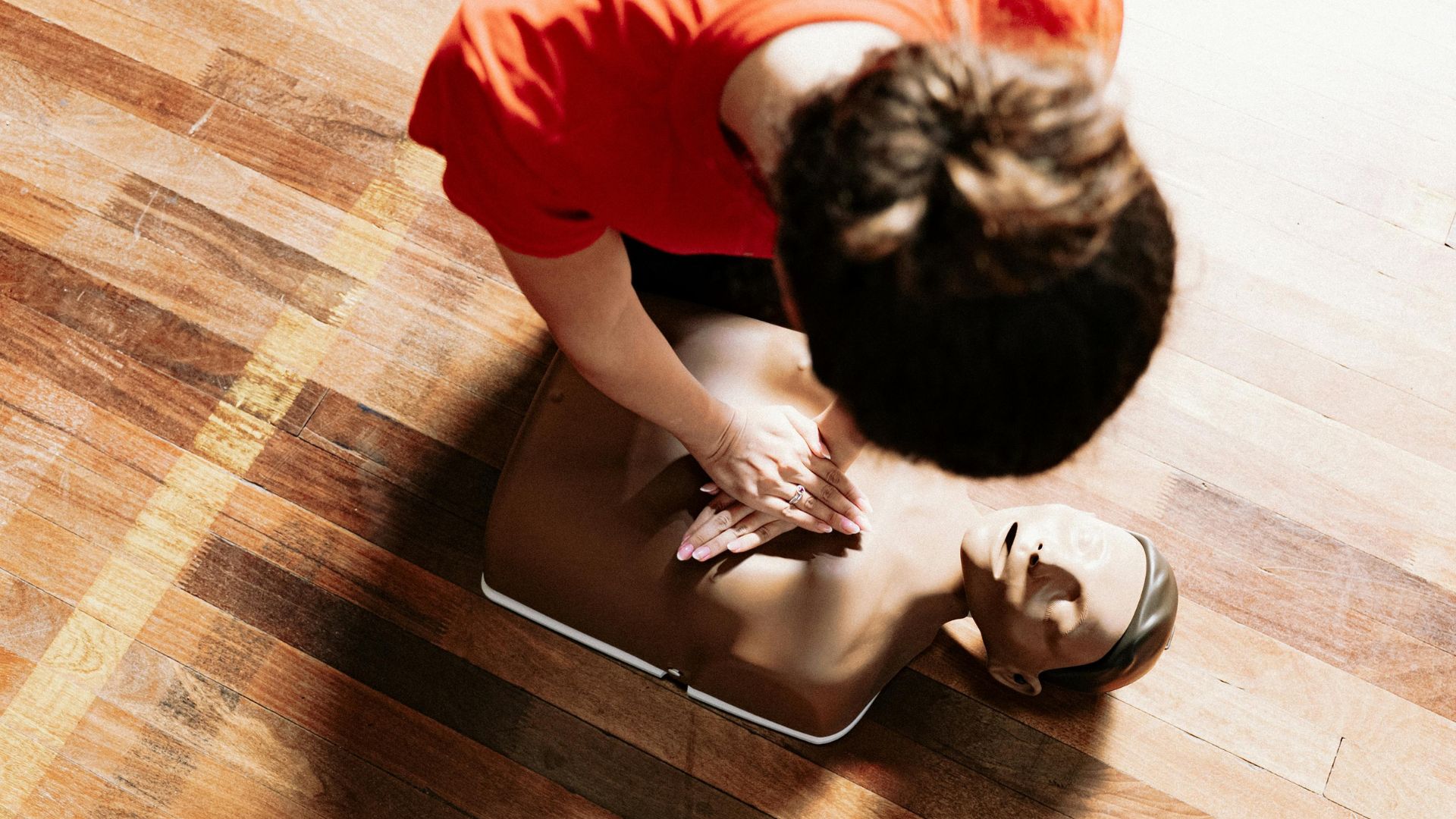
- Practice techniques on infant mannequins
- Learn correct pressure and positioning
- Receive immediate feedback from instructors
This hands-on experience builds muscle memory, which allows you to act quickly without second-guessing yourself.
Choosing an in-person CPR Certification course ensures you are not just learning CPR, you are preparing to use it.
Infant CPR Is Physically Different
One of the most important reasons to take a class is that infant CPR is very different from adult CPR.
For infants:
- Compressions are done with two fingers
- Pressure is much gentler
- Breathing support plays a larger role
Proper technique is critical, and in-person training ensures you learn it correctly the first time.
Confidence Is What Saves Lives
Knowledge alone is not enough in an emergency. Confidence is what allows you to act.
In-person training builds confidence by:
- Allowing repeated practice
- Simulating real-life scenarios
- Reinforcing correct technique
When you have physically performed CPR before, you are far more likely to step in and help immediately.
Who Should Learn Infant CPR
While parents are the primary focus, anyone who spends time with your baby should also be trained.
This includes:
- Grandparents
- Babysitters
- Caregivers
The more people who are prepared, the safer your child will be in any environment.
Why This Matters for Fresno Families
Fresno families live busy lives, and many households rely on multiple caregivers. Emergencies can happen at any time, whether at home, with a babysitter, or during everyday routines.
Having CPR-trained individuals in your circle:
- Reduces response time during emergencies
- Increases the chances of survival
- Creates a safer environment for your child
Preparedness is not just personal. It is community-wide.
The Difference Between Watching and Doing
One of the biggest misconceptions is that watching a video is enough to learn CPR.
In reality:
- CPR is a physical skill
- It requires correct pressure and rhythm
- It must be performed under stress
Without hands-on training, many people struggle to perform CPR correctly when it matters most.
In-person training bridges that gap.
Building a Safer Environment for Your Baby
Learning CPR is one of the most important steps, but it should be part of a larger safety approach.
Parents can also:
- Practice safe sleep habits
- Monitor feeding closely
- Stay aware of potential hazards
Preparation reduces risk, and training ensures you can respond if something happens.
Final Thoughts on Infant CPR for Fresno Parents
Infant CPR is about far more than choking. It is about being prepared for any situation where your baby may stop breathing or become unresponsive.
The reality is simple. Emergencies can happen without warning, and in those moments, you are your child’s first responder.
By enrolling in an in-person CPR Certification course, you gain the hands-on experience and confidence needed to act quickly and effectively. For parents in Fresno, that training is not just helpful. It is essential.
Frequently Asked Questions About Infant CPR
When should I use infant CPR?
You should use infant CPR when a baby is unresponsive and not breathing or only gasping.
Is choking the main reason infants need CPR?
No, most infant CPR situations are caused by breathing issues rather than choking.
Can I learn infant CPR online?
Online courses provide information, but in-person training is needed for hands-on practice and confidence.
How is infant CPR different from adult CPR?
Infant CPR uses two fingers for compressions and requires gentler pressure and different techniques.
Who should learn infant CPR?
Parents, caregivers, and anyone who spends time with an infant should be trained.
How long does CPR certification last?
CPR certification typically lasts two years before renewal is required.